
South East Asia uses jasmine rice, a beautiful rice with a subtle scent. It is frequently served with Thai marinated chicken, Chilli Basil Stir Fry, Satay Skewers, and the other Thai curries that are available. It is closely linked to Thai cuisine. Additionally, it is used to make pineapple fried rice, which is the other recipe I am providing today, and Thai fried rice!
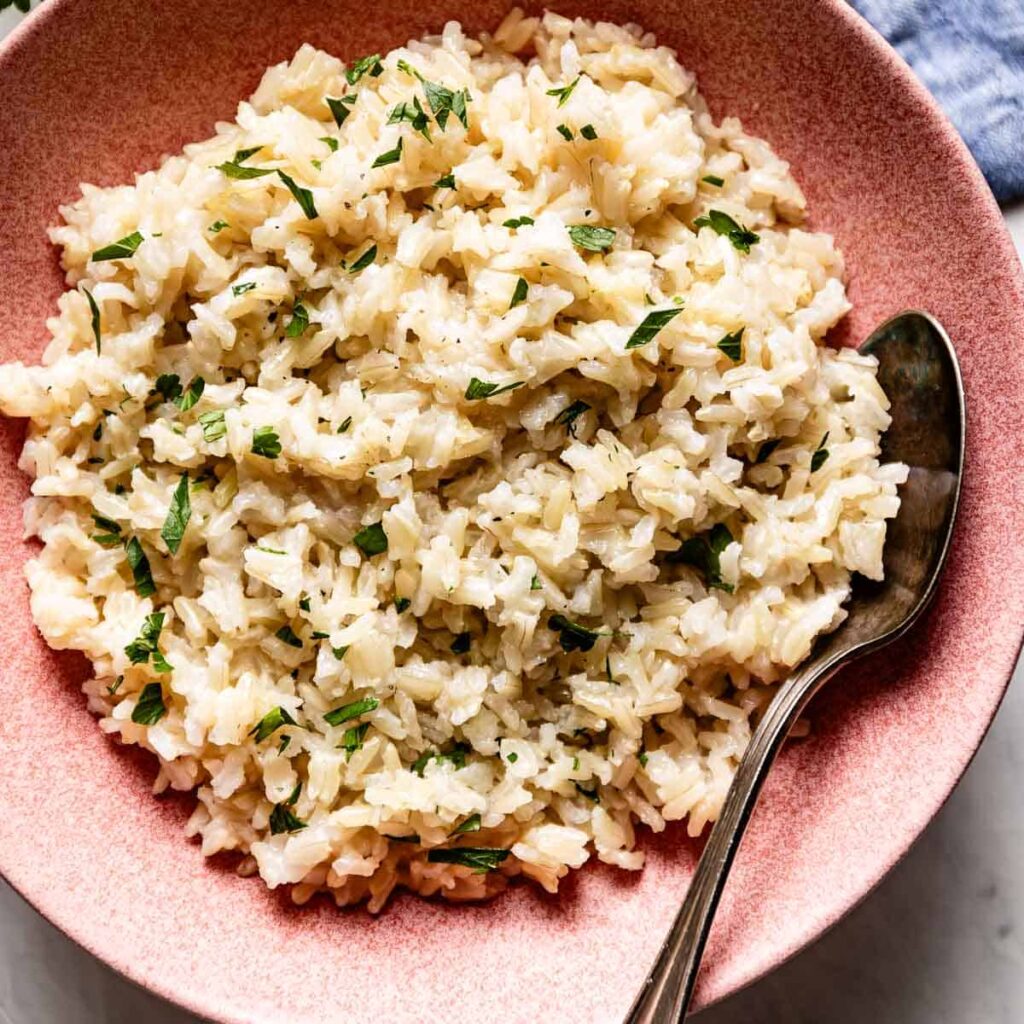
The key to properly cooking jasmine rice
Jasmine rice is softer than most white rice, which means you need less water to cook it so it is fluffy and soft instead of sticky on the exterior.
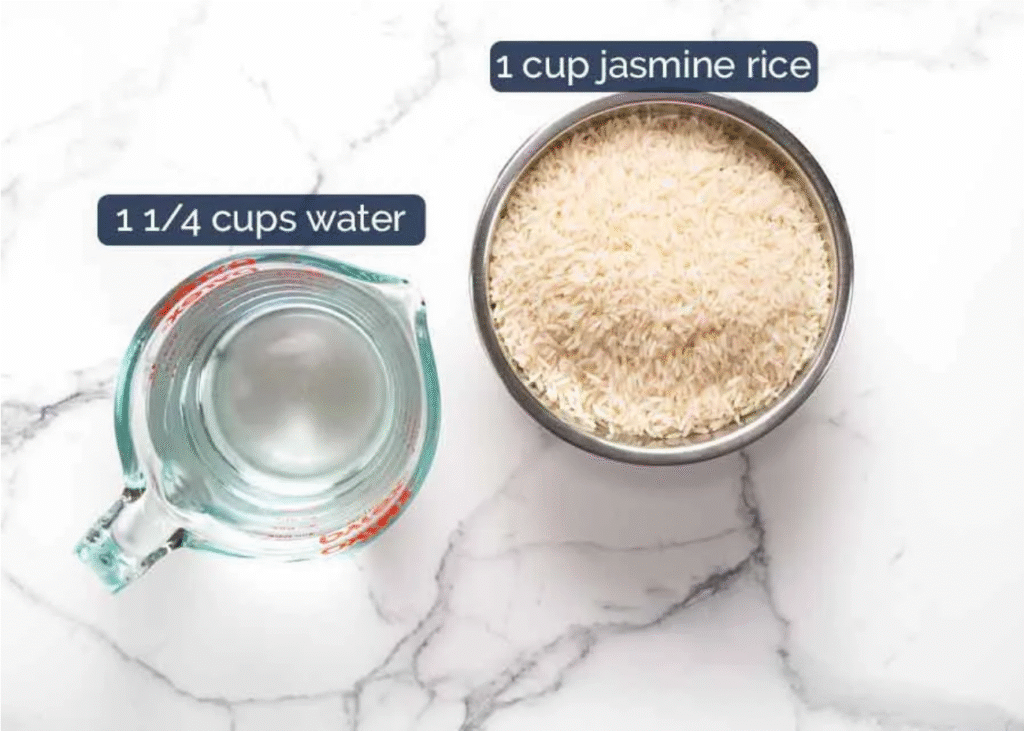
This is something that most people are unaware of. Jasmine rice is therefore prepared with 1 1/4 cups of water instead of the usual 1.5 cups for each cup of rice.
Yes, a quarter cup does make a big difference! Before I eventually figured this method, I had produced a lot of jasmine rice that was too soft and never truly satisfied..
Rinsing the rice is not necessary!
Dispelling the long-held misconception that fluffy rice requires rinsing. No, it isn’t! In my time, I have produced a great deal of rice to confirm this very reality.
What I know is as follows:
No rinsing – if you use 1 1/4 cups of water for every 1 cup of jasmine rice, your rice will be fluffy even without rinsing
If you rinse, you must reduce the water by 2 tablespoons to factor in the extra water than remains in the rice (ie 1 1/4 cups water minus 2 tablespoons)
If you rinse AND soak for 1 hour, you must reduce the water by 3 tablespoons (ie 1 1/4 cups minus 3 tablespoons)
Rinsing vs no rinsing – rinsing yields a barely noticeable marginal improvement in fluffiness. It would not be noticeable to most people;
Only rinse IF you buy your rice direct from a rice farm, or similar, to remove debris and anything that night remain from the processing; and
No need to clean if you buy retail – If you buy rice at the store in shiny plastic packets, your rice should already be clean – and that includes less starch too.